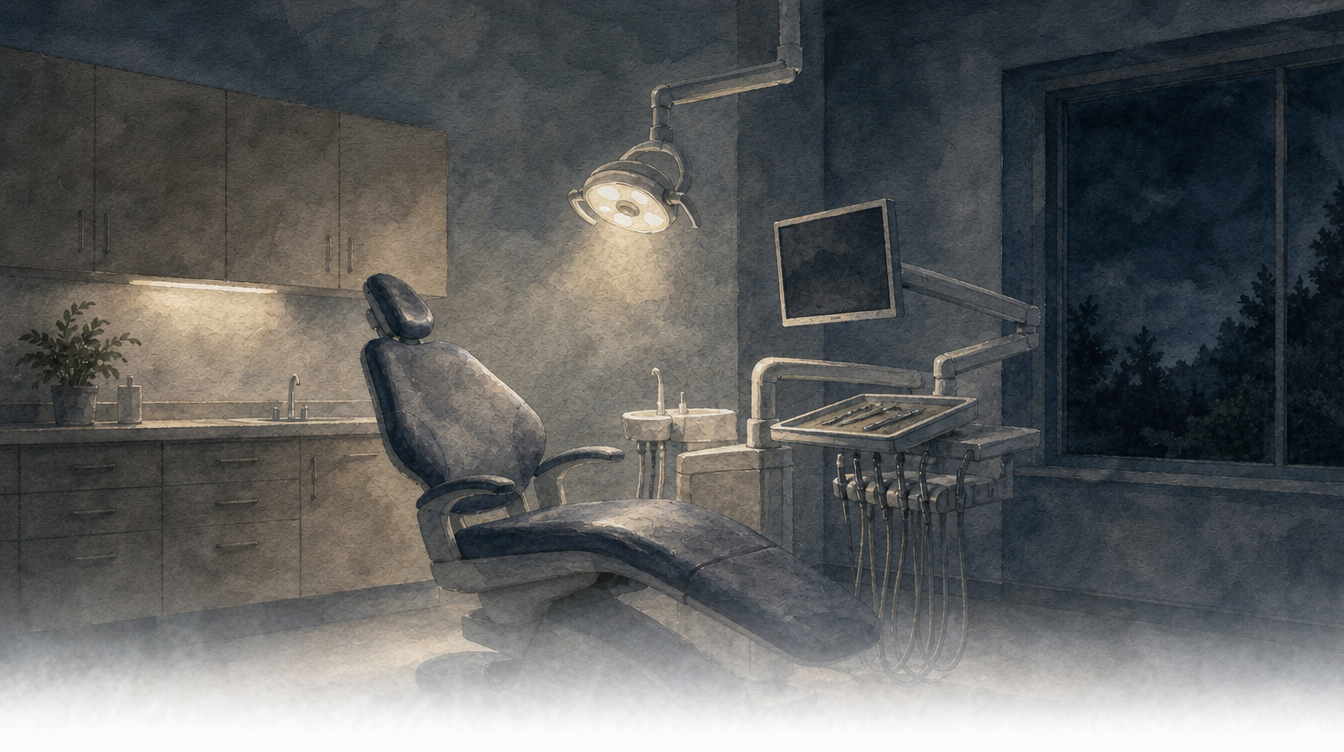
Industry
Medical Clinics
Clinicians should be with patients, not with forms.
22 hrs
of admin returned to each clinic every week
Where the hours leak
The patterns we see in almost every operation here.
Referrals arriving by fax, email and portal, then retyped.
No-shows absorbed instead of prevented.
Prior authorisation and billing packs assembled by hand.
Recall lists maintained in a spreadsheet somebody owns personally.
What we deploy
The systems that usually pay for themselves first.
Unified referral intake with completeness checks at the door.
Reminder and confirmation flows tuned to your actual no-show pattern.
Assisted billing and authorisation packs with clinician sign-off retained.
Recall and follow-up lists generated from the clinical record.
Our approach here
What makes this sector different.
Health data never leaves your controls, nothing clinical is decided by a system, and every action is logged. The operating system prepares the work; the clinician makes the call.
Questions we get
Asked in almost every first conversation.
Is patient data used to train anything?
No. Your data stays in your environment and is never used to train external models.
Does it touch clinical decisions?
No. It handles administration, preparation and routing only.
What changes
Hours removed, and hours deliberately left alone.
Today, spent on repetitive work
After the system is running
18hback
per person, per week
10xfaster
on repeatable work
Illustrative figures; actual results depend on volume and starting point.

Book a working session.
Ninety minutes on your operation with people who have already done this work in medical clinics. You leave with the first three things worth fixing, whether or not you hire us.